When temperatures rise, long shifts feel even longer. Whether you are working in a hospital, dental office, veterinary clinic, or commercial kitchen, heat builds fast, and your feet feel it first. The right work shoe does more than provide support. It helps regulate temperature, manage moisture, and keep you comfortable from clock in to clock out.
Here is what to look for when choosing breathable footwear for warmer months.
Warmer conditions can make already demanding jobs feel more physically exhausting. Even in indoor environments with air conditioning, the constant movement of long shifts can cause your body temperature to rise throughout the day. Footwear that allows airflow can make a noticeable difference in how comfortable you feel during extended periods on your feet.
Breathable shoes help reduce the feeling of heaviness that often builds up during busy shifts. When heat and moisture are managed properly, it becomes easier to stay focused on the task at hand rather than constantly adjusting your shoes or looing for a moment to sit down.
Why Breathability Is So Important
During long shifts, your feet naturally generate heat and perspiration. Without proper airflow, that moisture gets trapped, which can lead to:
- Discomfort and overheating
- Increased friction and blisters
- Odor buildup
- Slippery sensation inside the shoe
Breathable shoes help maintain a more balanced internal environment so your feet stay cooler, drier, and more comfortable throughout the day.
Proper ventilation also supports overall foot health. When moisture remains trapped inside footwear for long periods of time, it can create conditions that lead to irritation or general discomfort. Shoes that promote airflow help maintain a healthier environment for your
feet during long shifts.
In fast paced professions where movement is constant, even small improvements in comfort can make a meaningful difference by the end of the day. Breathability works alongside cushioning and support to create a more balanced and comfortable experience.
1. Ventilation That Actually Works
Open ventilation ports or strategically placed perforations allow air to circulate around your foot. This airflow helps release heat instead of trapping it.
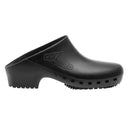
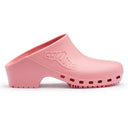
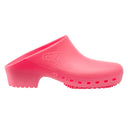
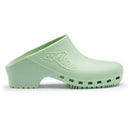
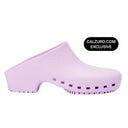
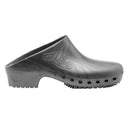
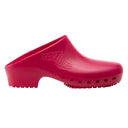
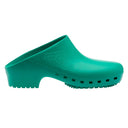
For example. styles like the Calzuro Classic Clog are designed with side vents that encourage airflow while still maintaining professional functionality. The result is comfort that works in high movement, high temperature environments.
If you are in a setting that requires more coverage, a closed heel option can still offer ventilation while providing added stability.
Effective ventilation is especially important in environments where temperatures fluctuate throughout the day. Kitchens, hospitals, and clinics often experience bursts of activity where movement increases and heat builds quickly. Ventilated designs help keep airflow moving during these high energy periods.
2. Lightweight Construction
Heavy shoes feel even heavier in the heat. Lightweight materials reduce fatigue and make a noticeable difference during 10 to 12 hour shifts.
Shoes made with flexible, shock-absorbing materials allow for easier movement and less strain, especially when you are constantly walking between rooms or standing for extended periods.
Lightweight construction also supports natural movement throughout the day. When
footwear does not weight you feet down, it becomes easier to move quickly and comfortably between tasks without feeling slowed by bulky shoes.
This can be especially helpful in fast paced environments where efficiency and mobility are essential. A lighter shoe reduces the physical effort required with every step.
3. Moisture-Resistant, Easy-to-Clean Materials
Warmer months often mean more sweat, spills, and unexpected messes. Non-porous materials that are easy to wipe clean help maintain hygiene while preventing moisture from soaking into the shoe itself.
This is especially important in healthcare and food service settings, where cleanliness is non-negotiable.
Shoes that are simple to clean also help extend the life of your footwear. When spills or debris can be quickly rinsed away, it prevents buildup that could otherwise affect comfort or durability over time.
4. Support Still Comes First
Breathability should never replace support. In fact, warmer weather can increase swelling, making proper arch support and a secure fit even more important.
Look for:
- Contoured footbeds
- Proper arch support
- Shock absorption
- A stable heel design
Comfort in the heat starts from the inside out.
Supportive footwear helps distribute body weight more evenly, which can reduce pressure on the feet, knees, and lower back. This becomes especially important during long shifts
that involve constant standing or walking.
When support and breathability work together, your shoes can help maintain comfort even as the day becomes more physically demanding.
5. Pairing With The Right Socks
Even the most breathable shoe benefits from the right sock choice. Moisture-wicking compression socks can:
- Improve circulation
- Reduce swelling
- Minimize moisture buildup
- Enhance overall comfort
The combination of airflow plus moisture management creates the best defense against hot, uncomfortable shifts.
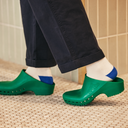
Choosing the right socks can make breathable footwear even more effective. Moisture-wicking fabrics pull sweat away from the skin, helping feet stay drier and reducing friction that may lead to irritation.
The Bottom Line
Warm weather does not have to mean uncomfortable shifts. The right work shoe helps regulate temperature, manage moisture, and support you through every step of your day.
Breathability matters. Because when your feet feel cooler and lighter, everything else feels easier too.
For professionals who spend most of their day on their feet, small improvements in footwear can have a meaningful impact on daily comfort. Breathability, supportive shoes allow you to focus on your work being distracted by overheating or fatigue.
Choosing footwear designed for warmer conditions helps you stay prepared for the busiest months of the year, keeping you comfortable for the start of your shift all the way to the moment you head home.





Breathability Matters: Choosing the Right Work Shoe for Warmer Months
When temperatures rise, long shifts feel even longer. Whether you are working in a hospital, dental office, veterinary clinic, or commercial kitchen, heat builds fast, and your feet feel it first. The right work shoe does more than provide support. It helps regulate temperature, manage moisture, and keep you comfortable from clock in to clock out.
Here is what to look for when choosing breathable footwear for warmer months.
Warmer conditions can make already demanding jobs feel more physically exhausting. Even in indoor environments with air conditioning, the constant movement of long shifts can cause your body temperature to rise throughout the day. Footwear that allows airflow can make a noticeable difference in how comfortable you feel during extended periods on your feet.
Breathable shoes help reduce the feeling of heaviness that often builds up during busy shifts. When heat and moisture are managed properly, it becomes easier to stay focused on the task at hand rather than constantly adjusting your shoes or looing for a moment to sit down.
Why Breathability Is So Important
During long shifts, your feet naturally generate heat and perspiration. Without proper airflow, that moisture gets trapped, which can lead to:
Breathable shoes help maintain a more balanced internal environment so your feet stay cooler, drier, and more comfortable throughout the day.
Proper ventilation also supports overall foot health. When moisture remains trapped inside footwear for long periods of time, it can create conditions that lead to irritation or general discomfort. Shoes that promote airflow help maintain a healthier environment for your
feet during long shifts.
In fast paced professions where movement is constant, even small improvements in comfort can make a meaningful difference by the end of the day. Breathability works alongside cushioning and support to create a more balanced and comfortable experience.
1. Ventilation That Actually Works
Open ventilation ports or strategically placed perforations allow air to circulate around your foot. This airflow helps release heat instead of trapping it.
For example. styles like the Calzuro Classic Clog are designed with side vents that encourage airflow while still maintaining professional functionality. The result is comfort that works in high movement, high temperature environments.
If you are in a setting that requires more coverage, a closed heel option can still offer ventilation while providing added stability.
Effective ventilation is especially important in environments where temperatures fluctuate throughout the day. Kitchens, hospitals, and clinics often experience bursts of activity where movement increases and heat builds quickly. Ventilated designs help keep airflow moving during these high energy periods.
2. Lightweight Construction
Heavy shoes feel even heavier in the heat. Lightweight materials reduce fatigue and make a noticeable difference during 10 to 12 hour shifts.
Shoes made with flexible, shock-absorbing materials allow for easier movement and less strain, especially when you are constantly walking between rooms or standing for extended periods.
Lightweight construction also supports natural movement throughout the day. When
footwear does not weight you feet down, it becomes easier to move quickly and comfortably between tasks without feeling slowed by bulky shoes.
This can be especially helpful in fast paced environments where efficiency and mobility are essential. A lighter shoe reduces the physical effort required with every step.
3. Moisture-Resistant, Easy-to-Clean Materials
Warmer months often mean more sweat, spills, and unexpected messes. Non-porous materials that are easy to wipe clean help maintain hygiene while preventing moisture from soaking into the shoe itself.
This is especially important in healthcare and food service settings, where cleanliness is non-negotiable.
Shoes that are simple to clean also help extend the life of your footwear. When spills or debris can be quickly rinsed away, it prevents buildup that could otherwise affect comfort or durability over time.
4. Support Still Comes First
Breathability should never replace support. In fact, warmer weather can increase swelling, making proper arch support and a secure fit even more important.
Look for:
Comfort in the heat starts from the inside out.
Supportive footwear helps distribute body weight more evenly, which can reduce pressure on the feet, knees, and lower back. This becomes especially important during long shifts
that involve constant standing or walking.
When support and breathability work together, your shoes can help maintain comfort even as the day becomes more physically demanding.
5. Pairing With The Right Socks
Even the most breathable shoe benefits from the right sock choice. Moisture-wicking compression socks can:
The combination of airflow plus moisture management creates the best defense against hot, uncomfortable shifts.
Choosing the right socks can make breathable footwear even more effective. Moisture-wicking fabrics pull sweat away from the skin, helping feet stay drier and reducing friction that may lead to irritation.
The Bottom Line
Warm weather does not have to mean uncomfortable shifts. The right work shoe helps regulate temperature, manage moisture, and support you through every step of your day.
Breathability matters. Because when your feet feel cooler and lighter, everything else feels easier too.
For professionals who spend most of their day on their feet, small improvements in footwear can have a meaningful impact on daily comfort. Breathability, supportive shoes allow you to focus on your work being distracted by overheating or fatigue.
Choosing footwear designed for warmer conditions helps you stay prepared for the busiest months of the year, keeping you comfortable for the start of your shift all the way to the moment you head home.