There are certain things every teacher keeps stocked and ready: lesson plans, extra pencils, coffee, hand sanitizer, sticky notes, and patience. But one classroom essential is becoming harder to ignore as school days grow longer and more demanding: comfortable, supportive shoes.
Teaching is active work. Educators rarely sit still for long. A single day can include hours of standing during instruction, walking across hallways, moving desks around, supervising dismissal, decorating bulletin boards, and constantly transitioning between activities. By the end of the week, the physical tolls adds up quickly.
That is why more teachers are beginning to rethink the footwear they rely on every day. Instead of prioritizing style-first flats or worn-out sneakers, many are choosing supportive work clogs that are designed for professionals who spend long hours on their feet.
For teachers looking to stay comfortable without sacrificing personality or practicality, Calzuro clogs are becoming part of the conversation.
The Reality of Standing All Day in a Classroom
Most people underestimate how physically demanding teaching really is. Even teachers who never leave their classroom may walk thousands of steps before the final bell rings.
A typical school day often includes:
- Standing during lectures and instructions
- Walking between student desks
- Moving classroom supplies and equipment
- Supervising hallways, lunchrooms, and recess
- Climbing stairs between classrooms or floors
- Setting up activities and cleaning up afterward
- Attending after-school meetings or events
Unlike jobs where movement is optional, teachers are constantly in motion. Hard flooring like tile and concrete only adds to the strain placed on feet, knees, and lower backs throughout the day. Over time, unsupportive footwear can make long school days feel even more exhausting.
Why Sneakers Are Not Always Enough
Sneakers are often seen as the default "comfortable" work shoe, but not all sneakers are built for full-day professional wear.
Many casual athletic shoes lose cushioning quickly when used daily on hard indoor surfaces. Others may feel soft initially but lack the structure needed to properly support hours of standing.
Teachers commonly experience problems like:
- Sore arches
- Heel discomfort
- Tight calves
- Lower back pain
- Leg fatigue
- Foot swelling after long days
This issue is not always activity level. It is often the combination of repetitive standing and inadequate support.
This is one reason professional clogs have expanded beyond healthcare settings and into classrooms.
Why Teachers are Turning to Professional Clogs
Supportive clogs are designed for people who spend entire shifts on their feet. While they have long been popular in medical and culinary environments, teachers are beginning to appreciate the same benefits.
Consistent Support Throughout the Day Unlike thin flats or overly flexible shoes, professional clogs are designed to provide stability and support during extended wear. Calzuro clogs feature an ergonomic design intended to help reduce fatigue during long workdays. Their structured support can help teachers stay more comfortable from first period through dismissal.
Lightweight Feel Without Sacrificing Structure - One common misconception about clogs is that they feel bulky or heavy. Modern professional clogs are often surprisingly lightweight, making them easier to wear during busy school days filled with constant movement. Teachers who move between classrooms or stay on their feet all day often appreciate footwear that feels supportive without slowing them down.
Easy-to-Clean Materials Matter More Than You Think - Classrooms can get messy fast. Coffee spills, art supplies, muddy field days, science projects, and unpredictable weather all end up affecting shoes. Calzuro clogs are made from materials that are easy to wipe down and sanitize, which makes them practical for everyday school life. For teachers balancing packed schedules, low-maintenance footwear becomes a huge advantage.
Slip-Resistant Confidence - School floors are not always as dry and safe as they appear. Rainy mornings, freshly mopped hallways, cafeteria spills, and winter weather can create slippery conditions throughout the day. Slip-resistant soles help provide extra traction and stability when moving quickly between classrooms or navigating crowded hallways.
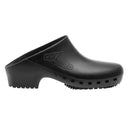
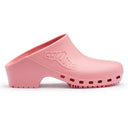
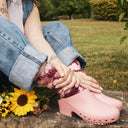
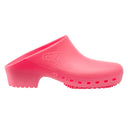
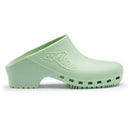
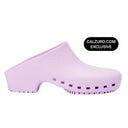
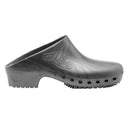
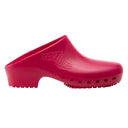
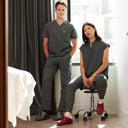
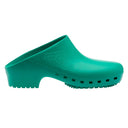
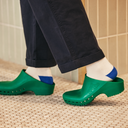
Teachers Want Comfort Without Looking "Clinical" - One reason some educators hesitate to try clogs is because they assume professional footwear looks too industrial or plain for classroom settings. That perception has changed significantly. Today's clogs come in a wide variety of colors and finishes that allow teachers to show personality while still prioritizing comfort. Bright shades, pastels, glossy finishes, and neutral tones makes it easier to pair supportive shoes with everyday work outfits. For many educators, colorful clogs have become part of their classroom style rather than functional footwear.
What Makes a Good Teaching Shoe?
Not every comfortable shoe works well for education professionals. Teachers often benefit most from shoes that combine several important features at once.
Stability - Teachers spend hours standing still and moving repeatedly throughout the day. Stable shoes help reduce unnecessary strain and improve overall comfort.
Arch Support - Supportive footwear helps distribute pressure more evenly across the foot, which becomes especially important during long school weeks.
Cushioning That Lasts - Soft shoes are not always supportive shoes. Long-lasting cushioning matters more than overly plush designs that flatten quickly.
Breathability - Busy classrooms can get warm, especially during active days or warmer months. Breathable footwear helps improve comfort during extended wear.
Durability - Teachers rely heavily on their everyday shoes, which means durability matters. High-quality clogs are designed for repeated daily use in demanding environments.
Why Comfortable Teachers Perform Better
Comfort may seem minor compared to lesson planning and classroom management, but physical discomfort affects energy levels more than many people realize.
When teachers spend all day distracted by sore feet or back pain, it becomes harder to stay focused and engaged. Comfortable footwear supports not only physical wellness but also day-to-day performance.
Teachers who wear supportive shoes often report:
- Feeling less drained after work
- Reduced soreness at the end of the week
- Better overall comfort during long school days
- Easier movement throughout classrooms and hallways
Small changes in daily comfort can have a major impact over an entire school year.
Calzuro Clogs Fit the Needs of Busy Educators
Teachers need footwear that can keep up with unpredictable schedules, long hours, and nonstop movement. That is why professional-grade comfort has become increasingly important outside traditional medical environments.
Calzuro clogs offer features that align naturally with classroom demands, including:
- Lightweight construction
- Slip-resistant soles
- Easy-clean materials
- Supportive ergonomic design
- Ventilation options
- Wide range of colors and styles
For educators balancing comfort, practicality, and personality, supportive clogs are becoming more than just a trend. They are becoming part of the everyday classroom uniform.
Final Thoughts
Teaching requires patience, energy, flexibility, and constant movement. While classroom supplies and technology continue to evolve, one thing remains simple: teachers need shoes that support them through every part of the day.
As more educators prioritize long-term comfort and wellness, supportive clogs are becoming an increasingly popular option in schools. For teachers searching for footwear that can handle busy hallways, long hours, and nonstop schedules, the right pair of shoes can make a noticeable difference.
Sometimes classroom survival starts from the ground up.





Classroom Survival Essentials: Clogs That Make a Difference
There are certain things every teacher keeps stocked and ready: lesson plans, extra pencils, coffee, hand sanitizer, sticky notes, and patience. But one classroom essential is becoming harder to ignore as school days grow longer and more demanding: comfortable, supportive shoes.
Teaching is active work. Educators rarely sit still for long. A single day can include hours of standing during instruction, walking across hallways, moving desks around, supervising dismissal, decorating bulletin boards, and constantly transitioning between activities. By the end of the week, the physical tolls adds up quickly.
That is why more teachers are beginning to rethink the footwear they rely on every day. Instead of prioritizing style-first flats or worn-out sneakers, many are choosing supportive work clogs that are designed for professionals who spend long hours on their feet.
For teachers looking to stay comfortable without sacrificing personality or practicality, Calzuro clogs are becoming part of the conversation.
The Reality of Standing All Day in a Classroom
Most people underestimate how physically demanding teaching really is. Even teachers who never leave their classroom may walk thousands of steps before the final bell rings.
A typical school day often includes:
Unlike jobs where movement is optional, teachers are constantly in motion. Hard flooring like tile and concrete only adds to the strain placed on feet, knees, and lower backs throughout the day. Over time, unsupportive footwear can make long school days feel even more exhausting.
Why Sneakers Are Not Always Enough
Sneakers are often seen as the default "comfortable" work shoe, but not all sneakers are built for full-day professional wear.
Many casual athletic shoes lose cushioning quickly when used daily on hard indoor surfaces. Others may feel soft initially but lack the structure needed to properly support hours of standing.
Teachers commonly experience problems like:
This issue is not always activity level. It is often the combination of repetitive standing and inadequate support.
This is one reason professional clogs have expanded beyond healthcare settings and into classrooms.
Why Teachers are Turning to Professional Clogs
Supportive clogs are designed for people who spend entire shifts on their feet. While they have long been popular in medical and culinary environments, teachers are beginning to appreciate the same benefits.
Consistent Support Throughout the Day Unlike thin flats or overly flexible shoes, professional clogs are designed to provide stability and support during extended wear. Calzuro clogs feature an ergonomic design intended to help reduce fatigue during long workdays. Their structured support can help teachers stay more comfortable from first period through dismissal.
Lightweight Feel Without Sacrificing Structure - One common misconception about clogs is that they feel bulky or heavy. Modern professional clogs are often surprisingly lightweight, making them easier to wear during busy school days filled with constant movement. Teachers who move between classrooms or stay on their feet all day often appreciate footwear that feels supportive without slowing them down.
Easy-to-Clean Materials Matter More Than You Think - Classrooms can get messy fast. Coffee spills, art supplies, muddy field days, science projects, and unpredictable weather all end up affecting shoes. Calzuro clogs are made from materials that are easy to wipe down and sanitize, which makes them practical for everyday school life. For teachers balancing packed schedules, low-maintenance footwear becomes a huge advantage.
Slip-Resistant Confidence - School floors are not always as dry and safe as they appear. Rainy mornings, freshly mopped hallways, cafeteria spills, and winter weather can create slippery conditions throughout the day. Slip-resistant soles help provide extra traction and stability when moving quickly between classrooms or navigating crowded hallways.
Teachers Want Comfort Without Looking "Clinical" - One reason some educators hesitate to try clogs is because they assume professional footwear looks too industrial or plain for classroom settings. That perception has changed significantly. Today's clogs come in a wide variety of colors and finishes that allow teachers to show personality while still prioritizing comfort. Bright shades, pastels, glossy finishes, and neutral tones makes it easier to pair supportive shoes with everyday work outfits. For many educators, colorful clogs have become part of their classroom style rather than functional footwear.
What Makes a Good Teaching Shoe?
Not every comfortable shoe works well for education professionals. Teachers often benefit most from shoes that combine several important features at once.
Stability - Teachers spend hours standing still and moving repeatedly throughout the day. Stable shoes help reduce unnecessary strain and improve overall comfort.
Arch Support - Supportive footwear helps distribute pressure more evenly across the foot, which becomes especially important during long school weeks.
Cushioning That Lasts - Soft shoes are not always supportive shoes. Long-lasting cushioning matters more than overly plush designs that flatten quickly.
Breathability - Busy classrooms can get warm, especially during active days or warmer months. Breathable footwear helps improve comfort during extended wear.
Durability - Teachers rely heavily on their everyday shoes, which means durability matters. High-quality clogs are designed for repeated daily use in demanding environments.
Why Comfortable Teachers Perform Better
Comfort may seem minor compared to lesson planning and classroom management, but physical discomfort affects energy levels more than many people realize.
When teachers spend all day distracted by sore feet or back pain, it becomes harder to stay focused and engaged. Comfortable footwear supports not only physical wellness but also day-to-day performance.
Teachers who wear supportive shoes often report:
Small changes in daily comfort can have a major impact over an entire school year.
Calzuro Clogs Fit the Needs of Busy Educators
Teachers need footwear that can keep up with unpredictable schedules, long hours, and nonstop movement. That is why professional-grade comfort has become increasingly important outside traditional medical environments.
Calzuro clogs offer features that align naturally with classroom demands, including:
For educators balancing comfort, practicality, and personality, supportive clogs are becoming more than just a trend. They are becoming part of the everyday classroom uniform.
Final Thoughts
Teaching requires patience, energy, flexibility, and constant movement. While classroom supplies and technology continue to evolve, one thing remains simple: teachers need shoes that support them through every part of the day.
As more educators prioritize long-term comfort and wellness, supportive clogs are becoming an increasingly popular option in schools. For teachers searching for footwear that can handle busy hallways, long hours, and nonstop schedules, the right pair of shoes can make a noticeable difference.
Sometimes classroom survival starts from the ground up.