For nurses, footwear isn't a fashion choice. It's a tool. Long shifts, hard floors, and unpredictable environments make shoe selection mission critical. Two of the most common options? Clogs and sneakers. But which is truly better for nurses?
In this guide, we break down the difference so you can choose shoes that protect your feet, your posture, and your energy throughout the busiest shifts.
Why Shoe Choice Matters for Nurses
Before we get into clogs vs sneakers, let's talk about why this decision is more than skin deep. Nurses often:
- Stand for 8-12 hours per shift
- Walk miles in a single day
- Navigate wet or slippery floors
- Experience foot, hip, or back fatigue
- Move quickly between patient rooms, nurses' stations, and emergency situations
Choosing the right shoe can reduce pain, improve posture, and enhance overall performance.
Many nurses also report that supportive footwear helps them feel more energized by the end of a shift, especially during consecutive workdays.
When comparing clogs and sneakers, here's what matters most:
Support - Good arch and heel support reduce strain on feet, ankles, knees, and legs during long shifts. Proper support also encourages better alignment and posture.
Slip Resistance - Hospital floors can become slick from spills, cleaning solutions, or fast-paced activity. Shoes with reliable tread and slip-resistant outsoles are essential for workplace safety.
Shock Absorption - Hard surfaces create constant impact throughout the day. Nursing shoes should help absorb shock and cushion every step to reduce fatigue.
Fit & Comfort - A comfortable fit prevents blisters, numbness, rubbing, and swelling. Nurses who spend long hours on their feet often benefit from shoes with a roomy toe box and secure fit.
Easy Cleaning - One feature many nurses overlook is how easy shoes are to clean. In healthcare settings, shoes can quickly be exposed to spills and messes. Shoes made with easy-to-clean materials can save time and help maintain a more professional appearance throughout the workweek.
Clogs: Pros and Cons
Pros
Easy On and Off - Slip-on designs make quick transitions at the start and end of shifts easier. Many nurses appreciate not having to deal with laces during busy schedules.
Roomier Toe Box - More space in the toe area reduces pressure and better accommodates swelling that can happen during long shifts.
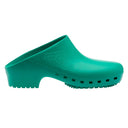
Superior Arch Support - Most nursing clogs are built with supportive footbeds designed to keep feet aligned and reduce strain over extended wear.
Slip Resistance - High-quality clogs often include hospital-friendly tread patterns designed specifically for healthcare environments.
Durable Construction - Many professional nursing clogs are designed to handle daily hospital use and frequent cleaning. Their durable materials often maintain support longer than standard athletic sneakers.
Better for Long Shifts - Many nurses prefer clogs for 12-hour shifts because of their structured support and stability on hard flooring.
Cons
Less Versatile Aesthetic - Some sneakers feel more casual or stylish for off-duty wear outside the hospital.
Break-In Time - Certain clogs may require a short adjustment period before they feel perfect on your feet.
Sneakers: Pros and Cons
Pros
Versatile Style - sneakers often feel more fashionable for off-duty wear.
Immediate Comfort - Many come with cushioned midsoles for instant comfort.
Flexible Fit - They adapt to various foot shapes.
Cons
Less Support Over Time - Standard sneakers may lose arch support and cushioning more quickly during repeated 12-hour shifts.
Limited Slip Resistance - Not all sneakers are designed for hospital environments or wet floors.
Laces Can Be Inconvenient - Bending down to tie or retie laces during shift changes can become frustrating.
Harder to Clean - Fabric sneakers may absorb liquids or show stains more easily than professional nursing clogs made from wipeable materials.
Which Is Better for Long Shifts?
For nurses working long hospital shifts, clogs are often the better choice because they prioritize:
- Long-term support
- Stability
- Slip resistance
- Easy cleaning
- Structured comfort for standing all day
Sneakers can still work well for lighter-duty environments, shorter shifts, or nurses who prefer a more athletic feel. However, many standard running shoes are not specifically designed for the demands of healthcare work.
The best shoes for nurses are ultimately the ones that help reduce fatigue while supporting comfort, safety, and performance throughout an entire shift.
Expert Tips for Choosing the Right Shoe
Assess Your Shift Pattern - Nurses working frequent 12-hour shifts may benefit more from structured clogs with stronger arch support and stability.
Check for Hospital-Grad Slip Resistance - Only wear shoes with reliable grip and tread patterns suitable for healthcare settings.
Replace Regularly - Even supportive shoes wear down. Most nursing shoes should be replaced every 6-12 months depending on use.
Pair With Supportive Socks - Good compression or moisture-wicking socks can dramatically improve comfort during long shifts.
Rotate Between Pairs - Some nurses rotate between two pairs of work shoes throughout the week to help extend durability and maintain consistent support.
Final Verdict: Clogs or Sneakers?
For most nurses, clogs offer better long-term support, slip resistance, durability, and comfort on hard hospital floors.
Sneakers can still be a good option for lighter-duty days or off-shift wear, but they may not provide the same level of structured support needed for demanding healthcare environments.
If you want one pair of nursing shoes that covers the majority of your workday needs, supportive clogs are often the best choice for comfort, stability, and all-day performance.

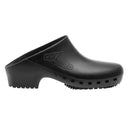

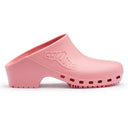

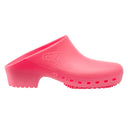

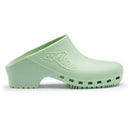

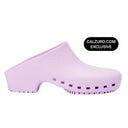

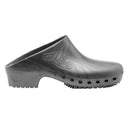
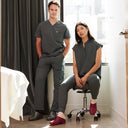
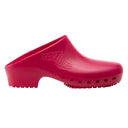
Clogs vs Sneakers for Nurses: Which is better?
For nurses, footwear isn't a fashion choice. It's a tool. Long shifts, hard floors, and unpredictable environments make shoe selection mission critical. Two of the most common options? Clogs and sneakers. But which is truly better for nurses?
In this guide, we break down the difference so you can choose shoes that protect your feet, your posture, and your energy throughout the busiest shifts.
Why Shoe Choice Matters for Nurses
Before we get into clogs vs sneakers, let's talk about why this decision is more than skin deep. Nurses often:
Choosing the right shoe can reduce pain, improve posture, and enhance overall performance.
Many nurses also report that supportive footwear helps them feel more energized by the end of a shift, especially during consecutive workdays.
What to Look for in Nursing Shoes
When comparing clogs and sneakers, here's what matters most:
Support - Good arch and heel support reduce strain on feet, ankles, knees, and legs during long shifts. Proper support also encourages better alignment and posture.
Slip Resistance - Hospital floors can become slick from spills, cleaning solutions, or fast-paced activity. Shoes with reliable tread and slip-resistant outsoles are essential for workplace safety.
Shock Absorption - Hard surfaces create constant impact throughout the day. Nursing shoes should help absorb shock and cushion every step to reduce fatigue.
Fit & Comfort - A comfortable fit prevents blisters, numbness, rubbing, and swelling. Nurses who spend long hours on their feet often benefit from shoes with a roomy toe box and secure fit.
Easy Cleaning - One feature many nurses overlook is how easy shoes are to clean. In healthcare settings, shoes can quickly be exposed to spills and messes. Shoes made with easy-to-clean materials can save time and help maintain a more professional appearance throughout the workweek.
Clogs: Pros and Cons
Pros
Easy On and Off - Slip-on designs make quick transitions at the start and end of shifts easier. Many nurses appreciate not having to deal with laces during busy schedules.
Roomier Toe Box - More space in the toe area reduces pressure and better accommodates swelling that can happen during long shifts.
Superior Arch Support - Most nursing clogs are built with supportive footbeds designed to keep feet aligned and reduce strain over extended wear.
Slip Resistance - High-quality clogs often include hospital-friendly tread patterns designed specifically for healthcare environments.
Durable Construction - Many professional nursing clogs are designed to handle daily hospital use and frequent cleaning. Their durable materials often maintain support longer than standard athletic sneakers.
Better for Long Shifts - Many nurses prefer clogs for 12-hour shifts because of their structured support and stability on hard flooring.
Cons
Less Versatile Aesthetic - Some sneakers feel more casual or stylish for off-duty wear outside the hospital.
Break-In Time - Certain clogs may require a short adjustment period before they feel perfect on your feet.
Sneakers: Pros and Cons
Pros
Versatile Style - sneakers often feel more fashionable for off-duty wear.
Immediate Comfort - Many come with cushioned midsoles for instant comfort.
Flexible Fit - They adapt to various foot shapes.
Cons
Less Support Over Time - Standard sneakers may lose arch support and cushioning more quickly during repeated 12-hour shifts.
Limited Slip Resistance - Not all sneakers are designed for hospital environments or wet floors.
Laces Can Be Inconvenient - Bending down to tie or retie laces during shift changes can become frustrating.
Harder to Clean - Fabric sneakers may absorb liquids or show stains more easily than professional nursing clogs made from wipeable materials.
Which Is Better for Long Shifts?
For nurses working long hospital shifts, clogs are often the better choice because they prioritize:
Sneakers can still work well for lighter-duty environments, shorter shifts, or nurses who prefer a more athletic feel. However, many standard running shoes are not specifically designed for the demands of healthcare work.
The best shoes for nurses are ultimately the ones that help reduce fatigue while supporting comfort, safety, and performance throughout an entire shift.
Expert Tips for Choosing the Right Shoe
Assess Your Shift Pattern - Nurses working frequent 12-hour shifts may benefit more from structured clogs with stronger arch support and stability.
Check for Hospital-Grad Slip Resistance - Only wear shoes with reliable grip and tread patterns suitable for healthcare settings.
Replace Regularly - Even supportive shoes wear down. Most nursing shoes should be replaced every 6-12 months depending on use.
Pair With Supportive Socks - Good compression or moisture-wicking socks can dramatically improve comfort during long shifts.
Rotate Between Pairs - Some nurses rotate between two pairs of work shoes throughout the week to help extend durability and maintain consistent support.
Final Verdict: Clogs or Sneakers?
For most nurses, clogs offer better long-term support, slip resistance, durability, and comfort on hard hospital floors.
Sneakers can still be a good option for lighter-duty days or off-shift wear, but they may not provide the same level of structured support needed for demanding healthcare environments.
If you want one pair of nursing shoes that covers the majority of your workday needs, supportive clogs are often the best choice for comfort, stability, and all-day performance.