Gardening is often seen as a relaxing, low impact hobby. But anyone who has spent a full afternoon planting, pruning, watering, and hauling soil knows it can be surprisingly demanding on your body.
Between standing for long periods of time, crouching, shifting your weight, and walking across uneven or damp ground, gardening puts consistent stress of your feet, knees, and lower back. And just like long shifts in a clinical setting, the right foundation can make all the difference in how you feel at the end of the day.
It all starts with supportive footwear.
Whether you are an avid gardener or just starting, investing in shoes that provide stability and cushioning will not only protect your body but also make your gardening experience more enjoyable. Proper footwear allows you to move confidently through soil, mulch, and grass without worrying about slips or strain.
Gardening Is Not As Low Impact As It Looks
Spring yard work involves more standing and movement than most people realize. Whether you are tending to raised beds, working in flower patches, or repotting plants on a patio, you are constantly:
- Standing in place
- Walking across grass, gravel, or mulch
- Bending and kneeling
- Carrying tools or watering cans
Wearing flat, unsupportive shoes or slipping on whatever is closest to the door might feel convenient in the moment. But over time, that lack of structure can contribute to foot fatigue, sore joints, and lower back discomfort. Supportive footwear helps distribute your weight more evenly and provides stability on uneven terrain, which can reduce strain throughout your body.
Even short periods in unsupportive shoes can lead to subtle fatigue that accumulates across the week. Choosing shoes that protect your feet, maintain alignment, and cushioning impact helps prevent this slow build-up of strain.
Why Your Gardening Shoes Matter
Good gardening shoes should do more than protect you feet from dirt. They should actively support the way your body moves while you work outdoors.
Look for footwear that offers:
- Arch support for prolonged standing
- Stability when moving across uneven surfaces
- Slip resistance for wet grass or muddy areas
- Cushioning that reduces pressure on joints
- Materials that are easy to clean after outdoor use
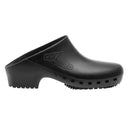
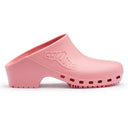
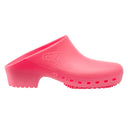
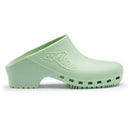
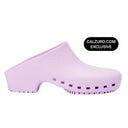
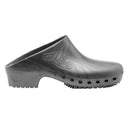
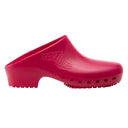
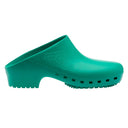
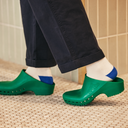
Supportive clogs are an ideal option because they combine structure with convenience. They are easy to slip on before heading outside and just as easy to rinse off once you are done.
Shoes that offer these features allow you to focus on your gardening tasks without constantly adjusting your stance, shifting your weight, or stopping to relieve discomfort. The right pair works quietly in the background, giving you freedom of movement and confidence outdoors.
One Less Thing to Think About
Comfortable, supportive footwear allows you to focus on the task at hand instead of how your feet feel halfway through it. When your shoes provide proper support, everyday outdoor routines like watering plants, pulling weeds, or trimming hedges become more manageable and less physically taxing.
For healthcare professionals especially, this might sound familiar.
If you already rely on structured footwear like Calzuro during long shifts, bringing that same level of support into your off shift activities can make a noticeable difference. Your body does not stop needing stability and cushioning just because you are no longer on hospital floors.
Even casual outdoor activities such as raking leaves, mowing the lawn, or walking to the garden shed can take a toll on your feet and back. Supportive shoes reduce fatigue and help prevent aches that might otherwise make these tasks feel like a chore.
Support That Extends Beyond the Workplace
Gardening can be a great way to decompress after a busy week. But recovery should not come with new aches and pains.
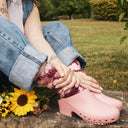
Starting from the ground up with supportive footwear helps you enjoy outdoor time without unnecessary strain, whether you are planting herbs on your balcony or refreshing a full backyard garden bed.
Because comfort should not be reserved for the workday. It should follow you into everything that helps you reset.
Investing in shoes designed for both comfort and support allows you to enjoy gardening as a true restorative activity. When your feet and joints are protected, you can spend more time connecting with your garden, feeling accomplished, and finishing the day energized rather than fatigued.
Remember, your body will thank you not only immediately but also in the long term. Footwear that supports your movements and absorbs impact is a small investment that pays off in better posture, reduced strain, and more enjoyable outdoor experiences season after season.







Garden Days Start From the Ground Up: Why Supportive Footwear Matters
Gardening is often seen as a relaxing, low impact hobby. But anyone who has spent a full afternoon planting, pruning, watering, and hauling soil knows it can be surprisingly demanding on your body.
Between standing for long periods of time, crouching, shifting your weight, and walking across uneven or damp ground, gardening puts consistent stress of your feet, knees, and lower back. And just like long shifts in a clinical setting, the right foundation can make all the difference in how you feel at the end of the day.
It all starts with supportive footwear.
Whether you are an avid gardener or just starting, investing in shoes that provide stability and cushioning will not only protect your body but also make your gardening experience more enjoyable. Proper footwear allows you to move confidently through soil, mulch, and grass without worrying about slips or strain.
Gardening Is Not As Low Impact As It Looks
Spring yard work involves more standing and movement than most people realize. Whether you are tending to raised beds, working in flower patches, or repotting plants on a patio, you are constantly:
Wearing flat, unsupportive shoes or slipping on whatever is closest to the door might feel convenient in the moment. But over time, that lack of structure can contribute to foot fatigue, sore joints, and lower back discomfort. Supportive footwear helps distribute your weight more evenly and provides stability on uneven terrain, which can reduce strain throughout your body.
Even short periods in unsupportive shoes can lead to subtle fatigue that accumulates across the week. Choosing shoes that protect your feet, maintain alignment, and cushioning impact helps prevent this slow build-up of strain.
Why Your Gardening Shoes Matter
Good gardening shoes should do more than protect you feet from dirt. They should actively support the way your body moves while you work outdoors.
Look for footwear that offers:
Supportive clogs are an ideal option because they combine structure with convenience. They are easy to slip on before heading outside and just as easy to rinse off once you are done.
Shoes that offer these features allow you to focus on your gardening tasks without constantly adjusting your stance, shifting your weight, or stopping to relieve discomfort. The right pair works quietly in the background, giving you freedom of movement and confidence outdoors.
One Less Thing to Think About
Comfortable, supportive footwear allows you to focus on the task at hand instead of how your feet feel halfway through it. When your shoes provide proper support, everyday outdoor routines like watering plants, pulling weeds, or trimming hedges become more manageable and less physically taxing.
For healthcare professionals especially, this might sound familiar.
If you already rely on structured footwear like Calzuro during long shifts, bringing that same level of support into your off shift activities can make a noticeable difference. Your body does not stop needing stability and cushioning just because you are no longer on hospital floors.
Even casual outdoor activities such as raking leaves, mowing the lawn, or walking to the garden shed can take a toll on your feet and back. Supportive shoes reduce fatigue and help prevent aches that might otherwise make these tasks feel like a chore.
Support That Extends Beyond the Workplace
Gardening can be a great way to decompress after a busy week. But recovery should not come with new aches and pains.
Starting from the ground up with supportive footwear helps you enjoy outdoor time without unnecessary strain, whether you are planting herbs on your balcony or refreshing a full backyard garden bed.
Because comfort should not be reserved for the workday. It should follow you into everything that helps you reset.
Investing in shoes designed for both comfort and support allows you to enjoy gardening as a true restorative activity. When your feet and joints are protected, you can spend more time connecting with your garden, feeling accomplished, and finishing the day energized rather than fatigued.
Remember, your body will thank you not only immediately but also in the long term. Footwear that supports your movements and absorbs impact is a small investment that pays off in better posture, reduced strain, and more enjoyable outdoor experiences season after season.