Choosing footwear for the operating room is not about style. It's about safety, stamina, and focus. When you are standing for hours under bright lights, your shoes directly affect how your body feels during the case and after you leave the hospital.
Surgeons, nurses, and surgical teams spend a large portion of their day on their feet, often standing in the same position for extended periods of time. Over the course of a long shift, even small discomforts in your footwear can turn into significant fatigue. The right shoes help reduce distractions, allowing you to stay focused on the procedure rather than on aching feet or unstable footing.
Instead of thinking about O.R. shoes as just another part of your uniform, think of them as essential equipment. Here is a practical way to evaluate whether your footwear us truly built for the O.R.
Just like surgical tools are selected for precision and reliability, your footwear should be chosen with the same level of care. The wrong pair can lead to unnecessary strain, while the right pair can help support your body through demanding procedures and long shifts.
A Simple Checklist for O.R. Footwear
Before wearing a pair into the operating room, ask yourself these questions.
This checklist can help you quickly determine whether your shoes are designed for the realities of the surgical environment. Even if a pair feels comfortable at first, it should also meet the practical demands of safety, hygiene, and long-term support.
1. Does it keep me safe?
The O.R. environment demands traction and stability.
Your footwear should:
- Have slip resistant soles designed for wet surfaces
- Provide a stable base during long procedures
- Stay firmly in place when you shift positions
If you ever feel unsure of your footing, the shoes are not doing their job.
Fluids, quick movements, and fast-paced situations are part of the operating room environment. Reliable traction helps reduce the risk of slips, while a stable sole helps maintain balance when adjusting your stance during procedures. Safety should always be the first priority when evaluating O.R. footwear.
2. Can I stand comfortably for hours?
Long cases put constant pressure on your feet, legs, and lower back. Shoes without proper
support can cause fatigue that builds throughout the day.
Look for:
- Built in arch support that distributes pressure evenly
- Cushioning that absorbs impact without feeling soft or unstable
- A footbed that encourages proper posture while standing
Good support should feel steady, not distracting.
Proper support helps maintain alignment throughout your body. When your feet are supported, it can help reduce strain in your knees, hips, and lower back. Over time, supportive footwear can play an important role in minimizing physical stress during demanding shifts.
3. Does the fit feel secure?
In the O.R., footwear should feel like an extension of your body.
A secure fit helps by:
- Preventing your foot from sliding forward
- Reducing the need to grip with your toes
- Minimizing strain during long periods of standing
Heel straps are often overlooked, but they can make a noticeable difference in stability and comfort.
A well-fitted shoe allows you to move naturally without constantly adjusting your stance. When your foot stays securely in place, it helps improve overall balance and reduced the subtle tension that can build when your muscles compensate for an unstable fit.
4. Is it easy to clean and maintain?
O.R. footwear must handle frequent cleaning and exposure to fluids.
Consider:
- Materials that can be wiped down or washed easily
- Construction that holds up after repeated sanitizing
Shoes that lose support or shape after cleaning will not last.
Hygiene is a critical part of the surgical environment. Footwear that can be quickly cleaned and sanitized helps maintain high standards while also saving time between shifts. Durable materials ensure that the shoe continues to perform even after frequent cleaning cycles.
5. How do my feet feel after the case?
The true test of O.R. footwear is not how it feels at the start of a procedure, but how your body feels afterward.
The right shoes can help reduce:
- Post shift foot soreness
- Lower back tension
- End of day exhaustion
When your feet are supported, recovery becomes easier.
Many healthcare professionals notice the difference at the end of a long shift. When footwear provides consistent support throughout the day, it can help reduce the lingering fatigue that often follows hours of standing in the operating room.
Why Clogs Are Common in the O.R.
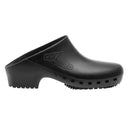
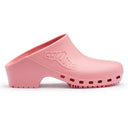
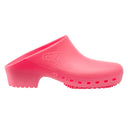
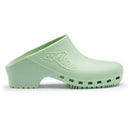
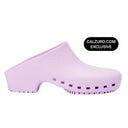
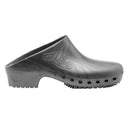
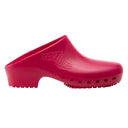
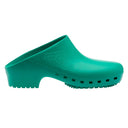
Clogs have remained a staple in operating rooms for decades because they meet the demands of the environment.
A well designed clog typically offers:
- A contoured, supportive footbed
- Slip resistance for hospital floors
- Easy cleaning without sacrificing structure
Not all clogs provide the same level of support, but the right pair can make a meaningful difference during long cases.
Many surgical professionals choose clogs because they combine practicality with reliable comfort. Their structured design often provides a stable platform for standing, while their materials are typically built to handle the cleaning requirements of hospital settings.
Final Takeaway
Choosing footwear for the O.R. is about protecting your body while you do critical work. When safety, support, fit, and durability come together, your shoes become something you do not have to think about.
The best O.R. footwear allows you to stay focused, steady, and comfortable from the first incision to the last step out of the operating room.
Investing in the right footwear is a simple step that can have a lasting impact on your daily comfort and long-term well-being. When your shoes support you properly, you can dedicate your full attention to the work that matter most.






How Do You Choose Footwear for the O.R.
Choosing footwear for the operating room is not about style. It's about safety, stamina, and focus. When you are standing for hours under bright lights, your shoes directly affect how your body feels during the case and after you leave the hospital.
Surgeons, nurses, and surgical teams spend a large portion of their day on their feet, often standing in the same position for extended periods of time. Over the course of a long shift, even small discomforts in your footwear can turn into significant fatigue. The right shoes help reduce distractions, allowing you to stay focused on the procedure rather than on aching feet or unstable footing.
Instead of thinking about O.R. shoes as just another part of your uniform, think of them as essential equipment. Here is a practical way to evaluate whether your footwear us truly built for the O.R.
Just like surgical tools are selected for precision and reliability, your footwear should be chosen with the same level of care. The wrong pair can lead to unnecessary strain, while the right pair can help support your body through demanding procedures and long shifts.
A Simple Checklist for O.R. Footwear
Before wearing a pair into the operating room, ask yourself these questions.
This checklist can help you quickly determine whether your shoes are designed for the realities of the surgical environment. Even if a pair feels comfortable at first, it should also meet the practical demands of safety, hygiene, and long-term support.
1. Does it keep me safe?
The O.R. environment demands traction and stability.
Your footwear should:
If you ever feel unsure of your footing, the shoes are not doing their job.
Fluids, quick movements, and fast-paced situations are part of the operating room environment. Reliable traction helps reduce the risk of slips, while a stable sole helps maintain balance when adjusting your stance during procedures. Safety should always be the first priority when evaluating O.R. footwear.
2. Can I stand comfortably for hours?
Long cases put constant pressure on your feet, legs, and lower back. Shoes without proper
support can cause fatigue that builds throughout the day.
Look for:
Good support should feel steady, not distracting.
Proper support helps maintain alignment throughout your body. When your feet are supported, it can help reduce strain in your knees, hips, and lower back. Over time, supportive footwear can play an important role in minimizing physical stress during demanding shifts.
3. Does the fit feel secure?
In the O.R., footwear should feel like an extension of your body.
A secure fit helps by:
Heel straps are often overlooked, but they can make a noticeable difference in stability and comfort.
A well-fitted shoe allows you to move naturally without constantly adjusting your stance. When your foot stays securely in place, it helps improve overall balance and reduced the subtle tension that can build when your muscles compensate for an unstable fit.
4. Is it easy to clean and maintain?
O.R. footwear must handle frequent cleaning and exposure to fluids.
Consider:
Shoes that lose support or shape after cleaning will not last.
Hygiene is a critical part of the surgical environment. Footwear that can be quickly cleaned and sanitized helps maintain high standards while also saving time between shifts. Durable materials ensure that the shoe continues to perform even after frequent cleaning cycles.
5. How do my feet feel after the case?
The true test of O.R. footwear is not how it feels at the start of a procedure, but how your body feels afterward.
The right shoes can help reduce:
When your feet are supported, recovery becomes easier.
Many healthcare professionals notice the difference at the end of a long shift. When footwear provides consistent support throughout the day, it can help reduce the lingering fatigue that often follows hours of standing in the operating room.
Why Clogs Are Common in the O.R.
Clogs have remained a staple in operating rooms for decades because they meet the demands of the environment.
A well designed clog typically offers:
Not all clogs provide the same level of support, but the right pair can make a meaningful difference during long cases.
Many surgical professionals choose clogs because they combine practicality with reliable comfort. Their structured design often provides a stable platform for standing, while their materials are typically built to handle the cleaning requirements of hospital settings.
Final Takeaway
Choosing footwear for the O.R. is about protecting your body while you do critical work. When safety, support, fit, and durability come together, your shoes become something you do not have to think about.
The best O.R. footwear allows you to stay focused, steady, and comfortable from the first incision to the last step out of the operating room.
Investing in the right footwear is a simple step that can have a lasting impact on your daily comfort and long-term well-being. When your shoes support you properly, you can dedicate your full attention to the work that matter most.