Work clogs are built for demanding environments like hospitals, kitchens, and labs. With proper care and correct cleaning temperatures, your clogs can stay comfortable, hygienic, durable over time. Knowing how to clean and care for work clogs helps protect your footwear and maintain workplace safety standards.
Why Proper Clog Care Matters
Work clogs are exposed to spills, moisture, heat, and long hours of wear. Dirt, bacteria, and odor can build up without regular cleaning. Using approved cleaning methods and temperatures helps preserve materials, maintain slip resistance, and extend the life of your clogs. For healthcare and culinary professionals, clean footwear also supports hygiene and
compliance.
How Often Should You Clean Work Clogs?
For daily wear, light cleaning is recommended weekly. Deeper cleaning should be done after exposure to spills, bodily fluids, grease, or heavy contamination. High exposure environments such as operating rooms, sterile processing departments, and commercial kitchens may require more frequent cleaning.
Everyday Cleaning for Work Clogs
Hand Washing Method
This method is best for routine care.
- Remove loose dirt with a soft brush or cloth
- Wash with warm water and mild soap
- Clean inside and out using a non-abrasive sponge
- Rinse thoroughly to remove all soap residue
- Air dry completely at room temperatures
Recommended water temperature:
Up to 120℉
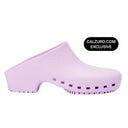
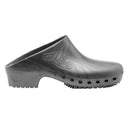
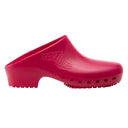
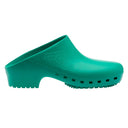
Calzuro clogs are made from lightweight EVA material that is water resistant and easy to clean without harsh chemicals.
Machine Washing Method
Machine washing can be used for convenient everyday cleaning when hand washing is not practical.
How to wash work clogs in a washing machine:
- Place clogs in a laundry bag or with a towel to protect them
- Use a gentle cycle with mild detergent
- Wash with warm water only
- Remove promptly after the cycle and air dry fully
Recommended washing temperature:
Up to 120℉
Avoid hot water, bleach, or fabric softeners. Heated drying cycles should never be used, as excess heat can cause warping or reduce the lifespan of your clogs.
Dishwasher Cleaning Method
Dishwasher cleaning offers a convenient way to deep clean work clogs after tough shifts.
How to clean clogs in the dishwasher:
- Place clogs on the top rack only
- Remove heel straps or accessories if possible
- Use a normal wash cycle with mild detergent
- Do not use heated dry
- Air dry fully after the cycle
Recommended dishwasher temperature:
Up to 160℉
Avoid high heat drying cycles, as excessive heat can affect the shape and longevity of the clogs.
Autoclave Cleaning Method
Autoclave cleaning is ideal for sterile environments that require a higher level of sanitation.
How to autoclave Calzuro clogs safely:
- Remove accessories and ensure clogs are autoclave approved
- Place clogs securely in the autoclave
- Follow your facility approved cycle and duration
- Allow clogs to cool and dry completely before wearing
Recommended autoclave temperatures:
Up to 270℉ depending on facility protocols
Calzuro clogs are designed to withstand standard hospital autoclave temperatures, making them a trusted choice for operating rooms, labs, and sterile processing departments. Always follow your workplace guidelines and model specific recommendations.
How to Remove Odor from Work Clogs
To help prevent odor:
- Clean clogs regularly using approved methods
- Allow clogs to dry completely between wears
- Wear moisture wicking or compression socks
Proper drying is essential for odor control.
Caring for Heel Straps and Accessories
Heel straps and accessories should be cleaned with mild soap and warm water. Inspect them regularly for wear and ensure they remain secure for proper fit and safety.
What to Avoid When Cleaning Work Clogs
To protect your clogs, avoid:
- Water temperatures above recommended limits
- Bleach or harsh chemical cleaners
- Abrasive scrubbers
- Heated drying cycles
- Prolonged exposure to direct heat or sunlight
They can reduce performance and shorten the lifespan of your footwear.
Storage Tips for Work Clogs
Store clogs in a cool, dry place. Always allow them to dry completely before storing. Avoid placing heavy objects on top of them to maintain their shape.
When It Is Time to Replace Work Clogs
Even with excellent care, work clogs experience natural wear. If traction decreases, cushioning feels compressed, or comfort declines, it may be time for a replacement.
Proper cleaning at the right temperatures helps your Calzuro clogs support you through every shift with confidence and comfort.

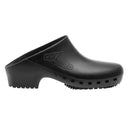

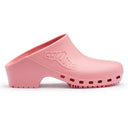

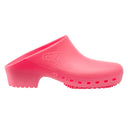

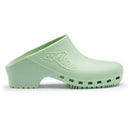




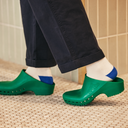
How to Clean and Care for Calzuro Clogs
Work clogs are built for demanding environments like hospitals, kitchens, and labs. With proper care and correct cleaning temperatures, your clogs can stay comfortable, hygienic, durable over time. Knowing how to clean and care for work clogs helps protect your footwear and maintain workplace safety standards.
Why Proper Clog Care Matters
Work clogs are exposed to spills, moisture, heat, and long hours of wear. Dirt, bacteria, and odor can build up without regular cleaning. Using approved cleaning methods and temperatures helps preserve materials, maintain slip resistance, and extend the life of your clogs. For healthcare and culinary professionals, clean footwear also supports hygiene and
compliance.
How Often Should You Clean Work Clogs?
For daily wear, light cleaning is recommended weekly. Deeper cleaning should be done after exposure to spills, bodily fluids, grease, or heavy contamination. High exposure environments such as operating rooms, sterile processing departments, and commercial kitchens may require more frequent cleaning.
Everyday Cleaning for Work Clogs
Hand Washing Method
This method is best for routine care.
Recommended water temperature:
Up to 120℉
Calzuro clogs are made from lightweight EVA material that is water resistant and easy to clean without harsh chemicals.
Machine Washing Method
Machine washing can be used for convenient everyday cleaning when hand washing is not practical.
How to wash work clogs in a washing machine:
Recommended washing temperature:
Up to 120℉
Avoid hot water, bleach, or fabric softeners. Heated drying cycles should never be used, as excess heat can cause warping or reduce the lifespan of your clogs.
Dishwasher Cleaning Method
Dishwasher cleaning offers a convenient way to deep clean work clogs after tough shifts.
How to clean clogs in the dishwasher:
Recommended dishwasher temperature:
Up to 160℉
Avoid high heat drying cycles, as excessive heat can affect the shape and longevity of the clogs.
Autoclave Cleaning Method
Autoclave cleaning is ideal for sterile environments that require a higher level of sanitation.
How to autoclave Calzuro clogs safely:
Recommended autoclave temperatures:
Up to 270℉ depending on facility protocols
Calzuro clogs are designed to withstand standard hospital autoclave temperatures, making them a trusted choice for operating rooms, labs, and sterile processing departments. Always follow your workplace guidelines and model specific recommendations.
How to Remove Odor from Work Clogs
To help prevent odor:
Proper drying is essential for odor control.
Caring for Heel Straps and Accessories
Heel straps and accessories should be cleaned with mild soap and warm water. Inspect them regularly for wear and ensure they remain secure for proper fit and safety.
What to Avoid When Cleaning Work Clogs
To protect your clogs, avoid:
They can reduce performance and shorten the lifespan of your footwear.
Storage Tips for Work Clogs
Store clogs in a cool, dry place. Always allow them to dry completely before storing. Avoid placing heavy objects on top of them to maintain their shape.
When It Is Time to Replace Work Clogs
Even with excellent care, work clogs experience natural wear. If traction decreases, cushioning feels compressed, or comfort declines, it may be time for a replacement.
Proper cleaning at the right temperatures helps your Calzuro clogs support you through every shift with confidence and comfort.