There is a version of wedding planning people usually see online, and then there is the reality of it.
The version people see is polished. Beautiful tablescapes, emotional ceremonies, perfectly timed receptions, and planners dressed in all black carrying clipboards while everything runs smoothly in the background.
The reality is far more physical.
Wedding planners spend entire days lifting decor boxes, walking across massive venues, climbing stairs, directing vendors, adjusting timelines, solving emergencies, and staying in motion from early morning setup until late-night teardown. During peak season, many planners repeat that process every single weekend, sometimes multiple times a week.
It is one of the reasons comfortable footwear has quietly become one of the most important parts of surviving event work.
Most Wedding Days Start Earlier Than Guests Realize
Guests typically arrive when the venue already looks perfect. By then, planners have often been working for hours.
A wedding day can start with unloading supplies before sunrise, checking rentals, organizing florals, reviewing vendor arrivals, and making sure every detail is ready before the first guest walks through the door.
From there, the movement never really stops.
Planners move constantly between spaces throughout the day. One minute they are helping organize a bridal suite timeline, the next they are coordinating catering logistics across the property or fixing seating chart issues minutes before dinner service begins.
Even planners who work smaller weddings spend the majority of the day standing or walking. Over time, that kind of schedule changes the way professionals think about footwear.
Why Wedding Planners Are Moving Away From Traditional Dress Shoes
For years, uncomfortable shoes were almost treated as part of the job.
Many event professionals felt pressure to wear footwear that looked sleek and formal, even if it became painful halfway through the event. But after enough 12-hour wedding days, priorities tend to shift.
Traditional dress shoes are usually designed for appearance first, not endurance. They may work for short events or office environments, but weddings demand something entirely different. Hard venue flooring, outdoor ceremony spaces, long timelines, and nonstop movement expose every weakness in uncomfortable footwear very quickly.
That is why many planners now focus less on what shoes look like standing still and more on how they actually perform during an event day.
Comfort has become less of a luxury and more of a professional necessity.
The Physical Side of Event Work Most People Never Think About
Wedding planners is often described as stressful, but it is also surprisingly athletic.
Planners are constantly bending, carrying, lifting, crouching, walking quickly, and adjusting to unpredictable environments. Some weddings require navigating gravel paths and muddy outdoor venues. Others involve running between multiple floors in large hotels or historic properties.
Even small details become physically demanding over time.
Something as simple as standing through ceremony may not sound difficult until it follows
six straight hours of setup and coordination beforehand. By the time dancing starts, many planners have already spent the equivalent of a full workday on their feet.
That physical demand is exactly why supportive footwear matters so much in the event industry.
Why More Professionals Are Choosing Work-Focused Footwear
As wedding planning becomes more demanding, many event professionals are turning toward shoes originally designed for other fast-paced industries.
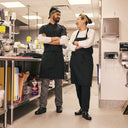
Healthcare footwear, culinary shoes, and professional work clogs are becoming increasingly common among planners because they prioritize long-hour comfort and support.
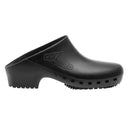
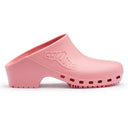
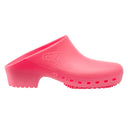
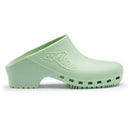
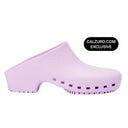
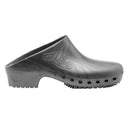
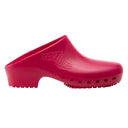
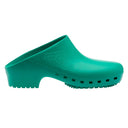
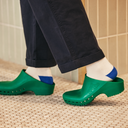
Shoes like Calzuro clogs are gaining attention outside traditional medical environments for that reason. Lightweight construction, easy-to-clean materials, and support during long standing hours appeal to professionals whose jobs depend on staying mobile all day.
For planners, the goal is not necessarily to find the trendiest shoe. It is to find something that still feels wearable at hour twelve.
Outdoor Weddings Create an Entirely Different Challenge
Outdoor weddings can turn footwear into a serious issue very quickly.
Grass, gravel, uneven terrain, heat, rain, and long walking distances all make event days more physically demanding. Shoes that feel manageable indoors can suddenly become exhausting outside.
Wedding planners often work at:
- Vineyards
- Gardens
- Farms
- Beaches
- Rooftops
- Historic estates
- Large outdoor properties
Each environment creates different challenges throughout the day. A planner may walk miles across a venue property without realizing it until the event finally ends.
Supportive footwear becomes especially important during outdoor wedding season because planners rarely have the option to sit down or slow their pace.
Long Event Days Add Up Over Time
One wedding weekend may not seem like a huge deal physically. But most planners are not working one wedding.
During busy seasons, event professionals often stack multiple weddings back-to-back while also handling client meetings, walkthroughs, rehearsal coordination, and planning sessions throughout the week.
That repetitive strain adds up quickly.
Many planners eventually realize that the exhaustion they feel after events is not only mental. It is physical fatigue from spending years working long days on hard surfaces without proper support.
The shoes that seemed "fine" early in a career often stop working once event schedules become heavier.
Comfort Impacts More Than Just Your Feet
When people talk about comfortable shoes, they usually focus on foot pain. But poor footwear affects far more than that during long wedding days.
Discomfort can impact:
- Energy levels
- Focus
- Posture
- Mobility
- Back and leg fatigue
- Overall stamina throughout the event
Wedding planners need to stay alert and responsive for the entire day. They are managing timelines, troubleshooting problems, coordinating vendors, and communicating constantly with couples and guests.
When your feet hurt halfway through an event, everything feels harder.
Supportive footwear helps planners maintain energy and stay focused long after the ceremony ends.
The Industry Is Becoming More Practical
The wedding industry has changed a lot over the last few years. Event professionals are becoming more open about the realities of the job, including the physical demands that come with it.
As a result, there is less pressure to sacrifice comfort purely for appearance.
Many planners how build entire event-day wardrobes around functionality. Breathable fabrics, crossbody communication tools, emergency kits, and supportive shoes have become standard parts of surviving long wedding weekends.
That shift has made practical footwear more accepted than ever before.
Why the Right Shoes Matter More Than People Expect
Most guests will never notice what shoes a wedding planner is wearing.
But planners notice.
After ten to twelve hours on-site, footwear can determine whether you still feel energized and focused or completely drained before the reception even ends.
That is why so many event professionals are investing more carefully in what they wear during weddings. Shoes designed for long-hour work environments simply make demanding event days more manageable.
For many planners, supportive work footwear like Calzuro has become less about style trends and more about endurance, comfort, and getting through long celebrations feeling ready to do it all again the next weekend.




How Wedding Planners Survive Long Event Days On Their Feet
There is a version of wedding planning people usually see online, and then there is the reality of it.
The version people see is polished. Beautiful tablescapes, emotional ceremonies, perfectly timed receptions, and planners dressed in all black carrying clipboards while everything runs smoothly in the background.
The reality is far more physical.
Wedding planners spend entire days lifting decor boxes, walking across massive venues, climbing stairs, directing vendors, adjusting timelines, solving emergencies, and staying in motion from early morning setup until late-night teardown. During peak season, many planners repeat that process every single weekend, sometimes multiple times a week.
It is one of the reasons comfortable footwear has quietly become one of the most important parts of surviving event work.
Most Wedding Days Start Earlier Than Guests Realize
Guests typically arrive when the venue already looks perfect. By then, planners have often been working for hours.
A wedding day can start with unloading supplies before sunrise, checking rentals, organizing florals, reviewing vendor arrivals, and making sure every detail is ready before the first guest walks through the door.
From there, the movement never really stops.
Planners move constantly between spaces throughout the day. One minute they are helping organize a bridal suite timeline, the next they are coordinating catering logistics across the property or fixing seating chart issues minutes before dinner service begins.
Even planners who work smaller weddings spend the majority of the day standing or walking. Over time, that kind of schedule changes the way professionals think about footwear.
Why Wedding Planners Are Moving Away From Traditional Dress Shoes
For years, uncomfortable shoes were almost treated as part of the job.
Many event professionals felt pressure to wear footwear that looked sleek and formal, even if it became painful halfway through the event. But after enough 12-hour wedding days, priorities tend to shift.
Traditional dress shoes are usually designed for appearance first, not endurance. They may work for short events or office environments, but weddings demand something entirely different. Hard venue flooring, outdoor ceremony spaces, long timelines, and nonstop movement expose every weakness in uncomfortable footwear very quickly.
That is why many planners now focus less on what shoes look like standing still and more on how they actually perform during an event day.
Comfort has become less of a luxury and more of a professional necessity.
The Physical Side of Event Work Most People Never Think About
Wedding planners is often described as stressful, but it is also surprisingly athletic.
Planners are constantly bending, carrying, lifting, crouching, walking quickly, and adjusting to unpredictable environments. Some weddings require navigating gravel paths and muddy outdoor venues. Others involve running between multiple floors in large hotels or historic properties.
Even small details become physically demanding over time.
Something as simple as standing through ceremony may not sound difficult until it follows
six straight hours of setup and coordination beforehand. By the time dancing starts, many planners have already spent the equivalent of a full workday on their feet.
That physical demand is exactly why supportive footwear matters so much in the event industry.
Why More Professionals Are Choosing Work-Focused Footwear
As wedding planning becomes more demanding, many event professionals are turning toward shoes originally designed for other fast-paced industries.
Healthcare footwear, culinary shoes, and professional work clogs are becoming increasingly common among planners because they prioritize long-hour comfort and support.
Shoes like Calzuro clogs are gaining attention outside traditional medical environments for that reason. Lightweight construction, easy-to-clean materials, and support during long standing hours appeal to professionals whose jobs depend on staying mobile all day.
For planners, the goal is not necessarily to find the trendiest shoe. It is to find something that still feels wearable at hour twelve.
Outdoor Weddings Create an Entirely Different Challenge
Outdoor weddings can turn footwear into a serious issue very quickly.
Grass, gravel, uneven terrain, heat, rain, and long walking distances all make event days more physically demanding. Shoes that feel manageable indoors can suddenly become exhausting outside.
Wedding planners often work at:
Each environment creates different challenges throughout the day. A planner may walk miles across a venue property without realizing it until the event finally ends.
Supportive footwear becomes especially important during outdoor wedding season because planners rarely have the option to sit down or slow their pace.
Long Event Days Add Up Over Time
One wedding weekend may not seem like a huge deal physically. But most planners are not working one wedding.
During busy seasons, event professionals often stack multiple weddings back-to-back while also handling client meetings, walkthroughs, rehearsal coordination, and planning sessions throughout the week.
That repetitive strain adds up quickly.
Many planners eventually realize that the exhaustion they feel after events is not only mental. It is physical fatigue from spending years working long days on hard surfaces without proper support.
The shoes that seemed "fine" early in a career often stop working once event schedules become heavier.
Comfort Impacts More Than Just Your Feet
When people talk about comfortable shoes, they usually focus on foot pain. But poor footwear affects far more than that during long wedding days.
Discomfort can impact:
Wedding planners need to stay alert and responsive for the entire day. They are managing timelines, troubleshooting problems, coordinating vendors, and communicating constantly with couples and guests.
When your feet hurt halfway through an event, everything feels harder.
Supportive footwear helps planners maintain energy and stay focused long after the ceremony ends.
The Industry Is Becoming More Practical
The wedding industry has changed a lot over the last few years. Event professionals are becoming more open about the realities of the job, including the physical demands that come with it.
As a result, there is less pressure to sacrifice comfort purely for appearance.
Many planners how build entire event-day wardrobes around functionality. Breathable fabrics, crossbody communication tools, emergency kits, and supportive shoes have become standard parts of surviving long wedding weekends.
That shift has made practical footwear more accepted than ever before.
Why the Right Shoes Matter More Than People Expect
Most guests will never notice what shoes a wedding planner is wearing.
But planners notice.
After ten to twelve hours on-site, footwear can determine whether you still feel energized and focused or completely drained before the reception even ends.
That is why so many event professionals are investing more carefully in what they wear during weddings. Shoes designed for long-hour work environments simply make demanding event days more manageable.
For many planners, supportive work footwear like Calzuro has become less about style trends and more about endurance, comfort, and getting through long celebrations feeling ready to do it all again the next weekend.