When people think about comfortable work shoes, they often assume flat is best. It sounds logical, more surface area, more stability, less strain. But in reality, completely flat footwear isn't always the most supportive option, especially for professionals who spend long hours on their feet. A slight heel elevation, when designed correctly, can actually improve comfort, posture, and overall performance throughout the day.
Why Completely Flat Isn't Always Ideal
Standing on a fully flat surface for extended periods can place consistent strain on certain parts of the body, particularly the heels, arches, and lower back. Without any elevation, your body weight tends to settle heavily into the heel, which can lead to pressure buildup and fatigue over time.
There's also the issue of posture. Flat shoes can encourage a more rigid stance, making it harder for your body to naturally align from the ground up. When alignment is off, even slightly, it can create a chain reaction that affects your ankles, knees, hips, and spine.
The Purpose of a Slight Heel Elevation
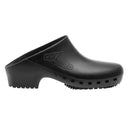
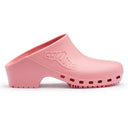
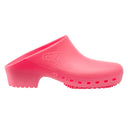
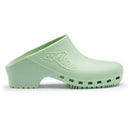
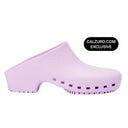
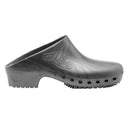
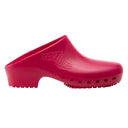
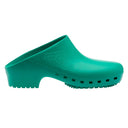
An Elevated heel in work footwear isn't about height or style, it's about balance. A modest lift helps shift your weight slightly forward, redistributing pressure more evenly across your foot instead of concentrating it in one area.
This redistribution can reduce the strain on your heel while allowing your arch and forefoot to share more of the workload. The result is a more supported, balanced stance that feels less taxing over time, especially during long shifts where standing and walking are constant.
Supporting Natural Posture
Your body is designed to move, not to stay locked in one position for hours. A small heel elevation encourages a more natural posture by subtly adjusting how your body stacks from the ground up.
With the right amount of lift, your ankles, knees, and hips can align in a way that feels more fluid and less rigid. This can help reduce the tension that often builds in the lower back and legs during long periods of standing.
It's not a dramatic change, but it's enough to support a more ergonomic position, one that works with your body instead of against it.
Reducing Fatigue Over Long Shifts
Fatigue doesn't usually come from one big issue, it builds from small, repetitive stress points throughout the day. Footwear plays a major role in how those stress points develop.
By improving weight distribution and encouraging better alignment, an elevated heel can help reduce the cumulative strain that leads to tired, aching feet. Instead of feeling like all your weight is pressing down in one spot, your foot stays more engaged and supported.
Over time, this can make a noticeable difference in how your feet and legs feel, especially in the final hours of a long shift.
Stability Without Sacrificing Comfort
There's a misconception that adding a heel reduces stability, but that's only trye when the heel is too high or poorly designed. In work footwear, the goal is a low, stable elevation that enhances comfort without compromising balance.
When paired with a supportive footbed and slip-resistant outsole, a slight heel can actually contribute to a more secure, grounded feel. It works as part of a system, not as a standalone feature.
Designed for Real Work Environments
In fast-paced settings like hospitals, salons, and clinics, your footwear needs to do more than just feel good for a few minutes. It needs to support you throughout constant movement, quick turns, and long hours on hard surfaces.
A thoughtfully designed elevated heel helps meet those demands by promoting better alignment, reducing pressure buildup, and keeping your body in a more comfortable position throughout the day.
The Bottom Line
Comfort in work footwear isn't about extremes, not completely flat, and not overly elevated. It's about finding the right balance. A slight elevation provides that balance by supporting posture, distributing pressure, and helping fatigue over time.
It's a subtle feature, but one that plays a significant role in how your body feels from the first hours of your shift to the last.








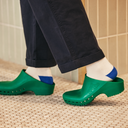
The Comfort Advantage of an Elevated Heel in Work Footwear
When people think about comfortable work shoes, they often assume flat is best. It sounds logical, more surface area, more stability, less strain. But in reality, completely flat footwear isn't always the most supportive option, especially for professionals who spend long hours on their feet. A slight heel elevation, when designed correctly, can actually improve comfort, posture, and overall performance throughout the day.
Why Completely Flat Isn't Always Ideal
Standing on a fully flat surface for extended periods can place consistent strain on certain parts of the body, particularly the heels, arches, and lower back. Without any elevation, your body weight tends to settle heavily into the heel, which can lead to pressure buildup and fatigue over time.
There's also the issue of posture. Flat shoes can encourage a more rigid stance, making it harder for your body to naturally align from the ground up. When alignment is off, even slightly, it can create a chain reaction that affects your ankles, knees, hips, and spine.
The Purpose of a Slight Heel Elevation
An Elevated heel in work footwear isn't about height or style, it's about balance. A modest lift helps shift your weight slightly forward, redistributing pressure more evenly across your foot instead of concentrating it in one area.
This redistribution can reduce the strain on your heel while allowing your arch and forefoot to share more of the workload. The result is a more supported, balanced stance that feels less taxing over time, especially during long shifts where standing and walking are constant.
Supporting Natural Posture
Your body is designed to move, not to stay locked in one position for hours. A small heel elevation encourages a more natural posture by subtly adjusting how your body stacks from the ground up.
With the right amount of lift, your ankles, knees, and hips can align in a way that feels more fluid and less rigid. This can help reduce the tension that often builds in the lower back and legs during long periods of standing.
It's not a dramatic change, but it's enough to support a more ergonomic position, one that works with your body instead of against it.
Reducing Fatigue Over Long Shifts
Fatigue doesn't usually come from one big issue, it builds from small, repetitive stress points throughout the day. Footwear plays a major role in how those stress points develop.
By improving weight distribution and encouraging better alignment, an elevated heel can help reduce the cumulative strain that leads to tired, aching feet. Instead of feeling like all your weight is pressing down in one spot, your foot stays more engaged and supported.
Over time, this can make a noticeable difference in how your feet and legs feel, especially in the final hours of a long shift.
Stability Without Sacrificing Comfort
There's a misconception that adding a heel reduces stability, but that's only trye when the heel is too high or poorly designed. In work footwear, the goal is a low, stable elevation that enhances comfort without compromising balance.
When paired with a supportive footbed and slip-resistant outsole, a slight heel can actually contribute to a more secure, grounded feel. It works as part of a system, not as a standalone feature.
Designed for Real Work Environments
In fast-paced settings like hospitals, salons, and clinics, your footwear needs to do more than just feel good for a few minutes. It needs to support you throughout constant movement, quick turns, and long hours on hard surfaces.
A thoughtfully designed elevated heel helps meet those demands by promoting better alignment, reducing pressure buildup, and keeping your body in a more comfortable position throughout the day.
The Bottom Line
Comfort in work footwear isn't about extremes, not completely flat, and not overly elevated. It's about finding the right balance. A slight elevation provides that balance by supporting posture, distributing pressure, and helping fatigue over time.
It's a subtle feature, but one that plays a significant role in how your body feels from the first hours of your shift to the last.