When you're on your feet for hours at a time, comfort isn't just about cushioning, it's about how your foot interacts with the surface beneath it. A flat insole might feel fine at first, but over the course of a long shift, constant, unchanging pressure can lead to fatigue, soreness, and that heavy worn-down feeling by the end of the day. That's where massaging bumps come in. While they may seem like a subtle design detail, they're actually rooted in how your body responds to pressure, stimulation, and movement over time.
What many people don't realize is that comfort during long shifts is often influenced by movement, not just softness. A shoe can feel plush for the first hour, but if your feet remain in the exact same position all day, fatigue can build quickly. Massaging bumps are designed to combat that static feeling by encouraging small changes in how pressure is distributed beneath your feet.
What Are Massaging Bumps, Really?
Massaging bumps are small, raised nodes built directly into the footbed of a clog. Instead of your foot resting in one continuous, flat surface, these bumps create multiple points of contact across the sole. As you walk, pivot, and or even stand still, your weight shifts slightly between those points.
That shift is key. Rather than concentrating pressure in just a few high-impact areas like the heel or ball of the foot, the bumps help distribute it more evenly. This creates a more dynamic interaction between your foot and the shoe, which can feel more supportive and less fatiguing over time.
Unlike heavily cushioned insoles that can compress and flatten throughout the day, textured footbeds continue creating variation beneath the foot. That ongoing stimulation helps maintain a more responsive feel even during extended wear.
The Role of Nerve Endings and Sensory Feedback
The soles of your feet are densely packed with nerve endings that constantly send feedback to your brain. This sensory input plays a major role in balance, posture, and how your body adapts to standing for long periods.
When your foot is on a completely flat surface, that feedback becomes more limited and repetitive. Massaging bumps introduce variation. Each step or shift in weight activates slightly different areas of the foot, increasing sensory input and helping your body stay more engaged.
This added stimulation can contribute to better awareness of how you're standing and moving, which may help reduce the kind of static fatigue that builds when your body stays in one position for too long.
That sensory feedback can also make movement feel more natural throughout the day. When your feet remain engaged, your body is often quicker to adjust posture and positioning before discomfort becomes more noticeable.
How Pressure Distribution Impacts Fatigue
One of the biggest contributors to foot fatigue is concentrated pressure. When the same areas absorb impact over and over again, those spots begin to feel sore and overworked. Over time, that discomfort can travel upward, affecting your ankles, knees, and even your lower back.
Massaging bumps help break up that pattern. By spreading pressure across a wider surface area and encouraging micro-adjustments, they reduce the strain placed on any single point of the foot. Think of it less like standing in one fixed position and more like a series of subtle shifts that keep your feet from locking into place.
This doesn't eliminate fatigue entirely, but it can make a noticeable difference in how quicky that fatigue sets in and how intense it feels by the end of a shift.
For people who work long back-to-back shifts or spend most of the day walking between rooms, stations, or patients, reducing repetitive pressure becomes especially important. Small improvements in pressure distribution can add up significantly over the course of thousands of steps.
Encouraging Micro-Movements Throughout the Day
Even when you're standing still, your body is never completely still. Small, almost imperceptible adjustments are constantly happening to maintain balance. Massaging bumps enhance this natural behavior by giving your feet more to respond to.
These micro-movements help keep muscles in the feet and lower legs more active, rather than allowing them to become stiff or stagnant. In environments where you're required to stand for long stretches, that subtle activity can help prevent the "stuck" feeling that often leads to discomfort.
Over time, this can contribute to a greater sense of ease, especially during later hours of a long shift when fatigue typically peaks.
This subtle movement may also help reduce that heavy, sluggish sensation people often experience after standing in one place for too long. Instead of feeling locked into a rigid position, your feet remain more engaged and adaptable throughout the day.
A Subtle Boost for Circulation
While footwear alone isn't a substitute for walking or stretching, the design of your insole can influence how your feet feel throughout the day. The gentle. repeated pressure from massaging bumps may help encourage circulation by keeping the feet more engaged rather than completely static.
When your feet experience slight variations in pressure, it can support the natural flow of movement in the tissues. This is especially valuable in professions where breaks are limited and movement isn't always consistent.
Even small improvements in comfort and circulation can have a ripple effect. When your feet feel better supported, it can influence how energized and mobile you feel during the second half of a shift.
Why It Matters for Long Shifts
For healthcare professionals, hairstylists, dental teams, and others who spend most of their day standing or walking, small design features can have a big cumulative impact. The difference between a flat insole and a textured one becomes more noticeable with every passing hour.
Massaging bumps aren't about instant, dramatic comfort. Their value shows up gradually, helping reduce pressure buildup, encouraging movement, and keeping your feet feelings more responsive throughout the day.
This is especially important in fast-paced environments where sitting down isn't always an option. When your footwear supports natural movement and reduces repetitive strain, it can help long hours feel more manageable overall.
Designed for Real-World Comfort
What makes this feature stand out is how seamlessly it fits into your routine. There's no adjustment period, no special effort required. The bumps work passively, supporting your feet with every step without demanding your attention.
In combination with other features like proper support, slip resistance, and durable materials, massaging bumps plays a quiet but important role in the overall performance of the clog.
Because the design works continuously in the background, the benefits become most noticeable over time. It's the kind of feature many people don't fully appreciate until they compare it to standing on a completely flat insole for an entire shift.
The Bottom Line
Comfort isn't always about adding more cushioning or softness. Sometimes, it's about creating the right kind of interaction between your foot and your shoe. Massaging bumps do exactly that by introducing variation, stimulation, and more balanced pressure distribution.
It's a small detail by design, but over the course of a long shift, it can make a meaningful difference in how your feet feel, how your body responds, and how much energy you have left at the end of the day.
When combined with supportive construction and durable materials, features like massaging bumps help transform everyday footwear into something better suited for the realities of long hours on your feet. The result isn't just comfort in the moment, but a more supported experience from the beginning of your shift to the very end.








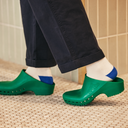
The Science Behind Massaging Bumps in Calzuro Clogs
When you're on your feet for hours at a time, comfort isn't just about cushioning, it's about how your foot interacts with the surface beneath it. A flat insole might feel fine at first, but over the course of a long shift, constant, unchanging pressure can lead to fatigue, soreness, and that heavy worn-down feeling by the end of the day. That's where massaging bumps come in. While they may seem like a subtle design detail, they're actually rooted in how your body responds to pressure, stimulation, and movement over time.
What many people don't realize is that comfort during long shifts is often influenced by movement, not just softness. A shoe can feel plush for the first hour, but if your feet remain in the exact same position all day, fatigue can build quickly. Massaging bumps are designed to combat that static feeling by encouraging small changes in how pressure is distributed beneath your feet.
What Are Massaging Bumps, Really?
Massaging bumps are small, raised nodes built directly into the footbed of a clog. Instead of your foot resting in one continuous, flat surface, these bumps create multiple points of contact across the sole. As you walk, pivot, and or even stand still, your weight shifts slightly between those points.
That shift is key. Rather than concentrating pressure in just a few high-impact areas like the heel or ball of the foot, the bumps help distribute it more evenly. This creates a more dynamic interaction between your foot and the shoe, which can feel more supportive and less fatiguing over time.
Unlike heavily cushioned insoles that can compress and flatten throughout the day, textured footbeds continue creating variation beneath the foot. That ongoing stimulation helps maintain a more responsive feel even during extended wear.
The Role of Nerve Endings and Sensory Feedback
The soles of your feet are densely packed with nerve endings that constantly send feedback to your brain. This sensory input plays a major role in balance, posture, and how your body adapts to standing for long periods.
When your foot is on a completely flat surface, that feedback becomes more limited and repetitive. Massaging bumps introduce variation. Each step or shift in weight activates slightly different areas of the foot, increasing sensory input and helping your body stay more engaged.
This added stimulation can contribute to better awareness of how you're standing and moving, which may help reduce the kind of static fatigue that builds when your body stays in one position for too long.
That sensory feedback can also make movement feel more natural throughout the day. When your feet remain engaged, your body is often quicker to adjust posture and positioning before discomfort becomes more noticeable.
How Pressure Distribution Impacts Fatigue
One of the biggest contributors to foot fatigue is concentrated pressure. When the same areas absorb impact over and over again, those spots begin to feel sore and overworked. Over time, that discomfort can travel upward, affecting your ankles, knees, and even your lower back.
Massaging bumps help break up that pattern. By spreading pressure across a wider surface area and encouraging micro-adjustments, they reduce the strain placed on any single point of the foot. Think of it less like standing in one fixed position and more like a series of subtle shifts that keep your feet from locking into place.
This doesn't eliminate fatigue entirely, but it can make a noticeable difference in how quicky that fatigue sets in and how intense it feels by the end of a shift.
For people who work long back-to-back shifts or spend most of the day walking between rooms, stations, or patients, reducing repetitive pressure becomes especially important. Small improvements in pressure distribution can add up significantly over the course of thousands of steps.
Encouraging Micro-Movements Throughout the Day
Even when you're standing still, your body is never completely still. Small, almost imperceptible adjustments are constantly happening to maintain balance. Massaging bumps enhance this natural behavior by giving your feet more to respond to.
These micro-movements help keep muscles in the feet and lower legs more active, rather than allowing them to become stiff or stagnant. In environments where you're required to stand for long stretches, that subtle activity can help prevent the "stuck" feeling that often leads to discomfort.
Over time, this can contribute to a greater sense of ease, especially during later hours of a long shift when fatigue typically peaks.
This subtle movement may also help reduce that heavy, sluggish sensation people often experience after standing in one place for too long. Instead of feeling locked into a rigid position, your feet remain more engaged and adaptable throughout the day.
A Subtle Boost for Circulation
While footwear alone isn't a substitute for walking or stretching, the design of your insole can influence how your feet feel throughout the day. The gentle. repeated pressure from massaging bumps may help encourage circulation by keeping the feet more engaged rather than completely static.
When your feet experience slight variations in pressure, it can support the natural flow of movement in the tissues. This is especially valuable in professions where breaks are limited and movement isn't always consistent.
Even small improvements in comfort and circulation can have a ripple effect. When your feet feel better supported, it can influence how energized and mobile you feel during the second half of a shift.
Why It Matters for Long Shifts
For healthcare professionals, hairstylists, dental teams, and others who spend most of their day standing or walking, small design features can have a big cumulative impact. The difference between a flat insole and a textured one becomes more noticeable with every passing hour.
Massaging bumps aren't about instant, dramatic comfort. Their value shows up gradually, helping reduce pressure buildup, encouraging movement, and keeping your feet feelings more responsive throughout the day.
This is especially important in fast-paced environments where sitting down isn't always an option. When your footwear supports natural movement and reduces repetitive strain, it can help long hours feel more manageable overall.
Designed for Real-World Comfort
What makes this feature stand out is how seamlessly it fits into your routine. There's no adjustment period, no special effort required. The bumps work passively, supporting your feet with every step without demanding your attention.
In combination with other features like proper support, slip resistance, and durable materials, massaging bumps plays a quiet but important role in the overall performance of the clog.
Because the design works continuously in the background, the benefits become most noticeable over time. It's the kind of feature many people don't fully appreciate until they compare it to standing on a completely flat insole for an entire shift.
The Bottom Line
Comfort isn't always about adding more cushioning or softness. Sometimes, it's about creating the right kind of interaction between your foot and your shoe. Massaging bumps do exactly that by introducing variation, stimulation, and more balanced pressure distribution.
It's a small detail by design, but over the course of a long shift, it can make a meaningful difference in how your feet feel, how your body responds, and how much energy you have left at the end of the day.
When combined with supportive construction and durable materials, features like massaging bumps help transform everyday footwear into something better suited for the realities of long hours on your feet. The result isn't just comfort in the moment, but a more supported experience from the beginning of your shift to the very end.