There's something about the arrival of fall that encourages a fresh start. As temperatures begin to cool and routines settle into place, many people take the opportunity to prepare for the months ahead. Closets get reorganized, calendars fill up, and everyday essentials gets replaced after months of regular use.
One item that's often overlooked during this seasonal reset is your work shoes. Whether you work in healthcare, education, hospitality, or another profession that keeps you on your feet, your shoes have likely been working just as hard as you have all year long. After months of standing, walking, and supporting you through long shifts, they may not longer provide the same level of comfort they once did.
Fall is an ideal time to evaluate the condition of your footwear and determine whether it's time for a replacement. Starting a new season with supportive, comfortable work shoes can make a noticeable difference in how your feet feel, not only during your workday but long after your shift is over.
Your Shoes Have Been Working All Year
It's easy to forget how much your work shoes go through in a single day. Every step places pressure on the cushioning, outsole, and footbed. While quality footwear is built to last, no shoe lasts forever.
If you've been wearing the same pair since last fall or winter, they've likely supported hundreds of hours of standing and walking. Throughout spring and summer, that wear continues to add up. Even if the outside of the shoe still looks great, the internal support may not be what it once was.
Unlike obvious damage such as holes or tears, everyday wear happens gradually. The cushioning slowly compresses, the outsole begins to wear, and the support your feet depend on become less effective over time. Because these changes happen little by little, many people simply adjust to them without realizing how much comfort they've lost.
That's why fall is an excellent reminder to pause and ask yourself whether your shoes still feel as supportive as they did when they were new.
Summer Can Be Tough on Your Footwear
Summer often means busier schedules both inside and outside of work. Longer daylight hours encourage more activities, more errands, and more time spent outdoors. Even if your work schedule doesn't change, your shoes are often getting more used than they do during other times of the year.
Between commuting, weekend outings, vacations, gardening, and everyday activities, your footwear rarely gets much of a break.
During the warmer months, shoes are also exposed to additional challenges such as:
- Higher temperatures
- Increased perspiration
- Dust and dirt from outdoor activities
- More frequent cleaning
- Additional daily wear from travel and recreation
By the time fall arrives, those months of constant use have taken their toll. Replacing your shoes before they begin affecting your comfort helps ensure you're ready for another busy season.
Comfort Changes Gradually
One of the biggest reasons people wait too long to replace their work shoes is because the decline in comfort happens to slowly.
You don't wake up one morning and suddenly notice your shoes have worn out. Instead, your feet begin feeling a little more tired after work. Maybe your heels ache slightly more than they used to, or your legs feel more fatigued after standing all day. Since these changes happen gradually, it's easy to assume they're simply part of your job.
In reality, your footwear may be contributing more than you realize.
Ask yourself a few simple questions:
- Do your feet feel more tired than they did six months ago?
- Are you noticing aches or soreness more frequently?
- Does the cushioning feel flatter than it once did?
- Are you looking forward to taking your shoes off earlier in the day?
- Have you had your current pair for about a year or longer?
If you answered yes to several of these questions, your shoes may no longer be providing the level of support your feet need.
Fall Brings New Routines and Busy Schedules
For many people, fall marks the beginning of one of the busiest times of the year. Teachers return to classrooms. Healthcare professionals continue caring for patients through flu season. Kitchens become busier as holiday events approach. Parents juggle work, school activities, and packed family calendars. Even weekends seem to fill up faster.
When your schedule becomes more demanding, comfortable footwear becomes even more important.
Starting the season with shoes that feel supportive can help you focus on your responsibilities instead of thinking about tired or uncomfortable feet. Rather than pushing your current shoes through another busy season, replacing them before they become a problem allows you to move confidently into the months ahead.
Don't Wait Until Your Shoes Completely Wear Out
Many people believe they should wait until their shoes are visibly damaged before replacing them. In reality, most work shoes lose comfort long before they show obvious signs of wear. The goal isn't to wear your shoes until they're falling apart. It's to replace them before declining support begins affecting your daily comfort.
Some common signs it's time for a new pair include:
- The outsole has become noticeably worn
- Your feet feel more fatigued during long shifts
- The footbed no longer feels supportive
- Your shoes feel less comfortable than they did when they were new
- You notice uneven wear on the soles
- You've been wearing the same pair for approximately a year of regular use
Paying attention to these signs allows you to stay ahead of discomfort rather than reacting after is develops.
Invest in Comfort Before the Holiday Rush
Another reason fall is an ideal time to replace your work shoes is that it prepares you for the busiest months of the year.
As the holidays approach, work schedules often become more demanding. Retail employees, healthcare professionals, hospitality workers, and many other industries experience increased workloads during late fall and winter.
Replacing your shoes early means you'll have time to break them in and enjoy reliable comfort before your schedule becomes even busier.
Instead of entering the holiday season with shoes that have already seen months of heavy use, you'll be starting the fresh support that's ready for whatever your workday brings.
Give Your Feet the Fresh Start They Deserve
Fall is often associated with new beginnings. It's a season of fresh routines, renewed motivation, and preparing for what's ahead. Your footwear should be part of that preparation.
Replacing your work shoes isn't simply about buying something new. It's about investing in your everyday comfort, supporting your feet through long hours, and making sure you're equipped for the months ahead.
Quality work shoes are with you through every shift, every errand, and every busy day in between. When they're providing the support your feet need, you spend less time thinking about discomfort and more time focusing on the people, tasks, and moments that matter most.
As you refresh your routine this fall, don't forget about the pair of shoes that carries you through it all. A new season is the perfect opportunity to step into greater comfort, renewed support, and confidence for every mile ahead.








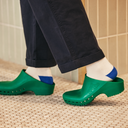
Why Fall is the Perfect Time to Replace Your Work Shoes
There's something about the arrival of fall that encourages a fresh start. As temperatures begin to cool and routines settle into place, many people take the opportunity to prepare for the months ahead. Closets get reorganized, calendars fill up, and everyday essentials gets replaced after months of regular use.
One item that's often overlooked during this seasonal reset is your work shoes. Whether you work in healthcare, education, hospitality, or another profession that keeps you on your feet, your shoes have likely been working just as hard as you have all year long. After months of standing, walking, and supporting you through long shifts, they may not longer provide the same level of comfort they once did.
Fall is an ideal time to evaluate the condition of your footwear and determine whether it's time for a replacement. Starting a new season with supportive, comfortable work shoes can make a noticeable difference in how your feet feel, not only during your workday but long after your shift is over.
Your Shoes Have Been Working All Year
It's easy to forget how much your work shoes go through in a single day. Every step places pressure on the cushioning, outsole, and footbed. While quality footwear is built to last, no shoe lasts forever.
If you've been wearing the same pair since last fall or winter, they've likely supported hundreds of hours of standing and walking. Throughout spring and summer, that wear continues to add up. Even if the outside of the shoe still looks great, the internal support may not be what it once was.
Unlike obvious damage such as holes or tears, everyday wear happens gradually. The cushioning slowly compresses, the outsole begins to wear, and the support your feet depend on become less effective over time. Because these changes happen little by little, many people simply adjust to them without realizing how much comfort they've lost.
That's why fall is an excellent reminder to pause and ask yourself whether your shoes still feel as supportive as they did when they were new.
Summer Can Be Tough on Your Footwear
Summer often means busier schedules both inside and outside of work. Longer daylight hours encourage more activities, more errands, and more time spent outdoors. Even if your work schedule doesn't change, your shoes are often getting more used than they do during other times of the year.
Between commuting, weekend outings, vacations, gardening, and everyday activities, your footwear rarely gets much of a break.
During the warmer months, shoes are also exposed to additional challenges such as:
By the time fall arrives, those months of constant use have taken their toll. Replacing your shoes before they begin affecting your comfort helps ensure you're ready for another busy season.
Comfort Changes Gradually
One of the biggest reasons people wait too long to replace their work shoes is because the decline in comfort happens to slowly.
You don't wake up one morning and suddenly notice your shoes have worn out. Instead, your feet begin feeling a little more tired after work. Maybe your heels ache slightly more than they used to, or your legs feel more fatigued after standing all day. Since these changes happen gradually, it's easy to assume they're simply part of your job.
In reality, your footwear may be contributing more than you realize.
Ask yourself a few simple questions:
If you answered yes to several of these questions, your shoes may no longer be providing the level of support your feet need.
Fall Brings New Routines and Busy Schedules
For many people, fall marks the beginning of one of the busiest times of the year. Teachers return to classrooms. Healthcare professionals continue caring for patients through flu season. Kitchens become busier as holiday events approach. Parents juggle work, school activities, and packed family calendars. Even weekends seem to fill up faster.
When your schedule becomes more demanding, comfortable footwear becomes even more important.
Starting the season with shoes that feel supportive can help you focus on your responsibilities instead of thinking about tired or uncomfortable feet. Rather than pushing your current shoes through another busy season, replacing them before they become a problem allows you to move confidently into the months ahead.
Don't Wait Until Your Shoes Completely Wear Out
Many people believe they should wait until their shoes are visibly damaged before replacing them. In reality, most work shoes lose comfort long before they show obvious signs of wear. The goal isn't to wear your shoes until they're falling apart. It's to replace them before declining support begins affecting your daily comfort.
Some common signs it's time for a new pair include:
Paying attention to these signs allows you to stay ahead of discomfort rather than reacting after is develops.
Invest in Comfort Before the Holiday Rush
Another reason fall is an ideal time to replace your work shoes is that it prepares you for the busiest months of the year.
As the holidays approach, work schedules often become more demanding. Retail employees, healthcare professionals, hospitality workers, and many other industries experience increased workloads during late fall and winter.
Replacing your shoes early means you'll have time to break them in and enjoy reliable comfort before your schedule becomes even busier.
Instead of entering the holiday season with shoes that have already seen months of heavy use, you'll be starting the fresh support that's ready for whatever your workday brings.
Give Your Feet the Fresh Start They Deserve
Fall is often associated with new beginnings. It's a season of fresh routines, renewed motivation, and preparing for what's ahead. Your footwear should be part of that preparation.
Replacing your work shoes isn't simply about buying something new. It's about investing in your everyday comfort, supporting your feet through long hours, and making sure you're equipped for the months ahead.
Quality work shoes are with you through every shift, every errand, and every busy day in between. When they're providing the support your feet need, you spend less time thinking about discomfort and more time focusing on the people, tasks, and moments that matter most.
As you refresh your routine this fall, don't forget about the pair of shoes that carries you through it all. A new season is the perfect opportunity to step into greater comfort, renewed support, and confidence for every mile ahead.